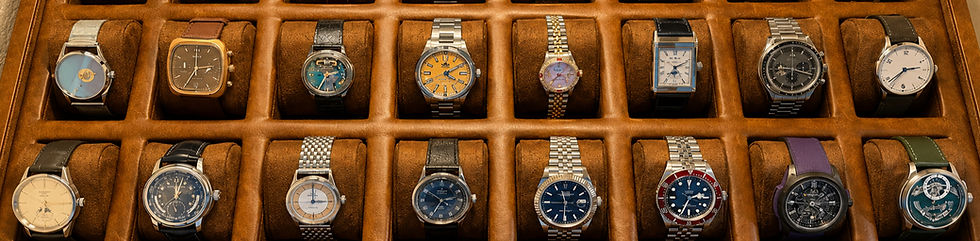


The History of Watches: An Enthusiast’s Journey

Watches have fascinated people for centuries, serving not only as timekeeping devices but also as symbols of craftsmanship, innovation, and personal style. From the earliest sundials to the latest smartwatches, the evolution of watches reflects significant advancements in technology and design. This blog post takes you on a journey through the rich history of watches, exploring their development, cultural significance, and the passion that drives watch enthusiasts today.
The Origins of Timekeeping
The concept of measuring time dates back to ancient civilizations. Early humans relied on natural phenomena, such as the position of the sun and the changing phases of the moon, to track time. The first known timekeeping device was the sundial, which appeared in ancient Egypt around 1500 BC. This simple yet effective tool used the sun's shadow to indicate the time of day.
The Mechanical Revolution
The invention of mechanical clocks in the 13th century marked a significant turning point in timekeeping. These clocks utilized gears and weights to measure time more accurately than ever before. By the 15th century, portable timepieces began to emerge, leading to the development of the first watches.
Key Innovations:
Spring-Driven Mechanisms: The introduction of the mainspring allowed watches to be smaller and more portable.
Balance Wheel: This invention improved accuracy, making watches more reliable.
The Birth of the Wristwatch
While pocket watches were popular in the 17th and 18th centuries, the wristwatch did not gain widespread acceptance until the late 19th century. Initially considered a feminine accessory, the wristwatch became a practical solution for soldiers during World War I. The need for soldiers to keep track of time without fumbling for a pocket watch led to the widespread adoption of wristwatches.
The Rise of Iconic Brands
As the demand for wristwatches grew, several brands emerged, each contributing to the evolution of watchmaking.
Rolex: Founded in 1905, Rolex became synonymous with luxury and precision. The brand introduced the first waterproof watch, the Oyster, in 1926.
Patek Philippe: Established in 1839, this Swiss brand is known for its complicated timepieces and has produced some of the most expensive watches ever sold.
The Quartz Revolution
The 1970s brought about a seismic shift in the watch industry with the introduction of quartz technology. Quartz watches, powered by a battery and regulated by a quartz crystal, offered unparalleled accuracy and affordability. This innovation led to the "Quartz Crisis," where traditional mechanical watchmakers struggled to compete with the influx of inexpensive quartz watches from Japan.
The Impact of Quartz Technology
Affordability: Quartz watches made timekeeping accessible to the masses.
Accuracy: These watches could maintain time with remarkable precision, often deviating by only a few seconds per month.
The Resurgence of Mechanical Watches
Despite the dominance of quartz watches, the late 20th century saw a resurgence in interest for mechanical timepieces. Watch enthusiasts began to appreciate the artistry and craftsmanship involved in traditional watchmaking. This revival was fueled by a growing desire for unique, handcrafted items in a world increasingly dominated by mass production.
The Appeal of Mechanical Watches
Craftsmanship: Mechanical watches are often viewed as works of art, showcasing intricate movements and designs.
Heritage: Many brands have rich histories, adding to the allure of owning a mechanical watch.

The Modern Era of Watches
Today, the watch industry is more diverse than ever, with a wide range of styles, materials, and technologies. Smartwatches have entered the market, offering features that go beyond timekeeping, such as fitness tracking and notifications. However, traditional watchmakers continue to thrive, catering to collectors and enthusiasts who appreciate the artistry of mechanical watches.
The Role of Technology
Smartwatches: Brands like Apple and Samsung have revolutionized the way we think about watches, integrating technology into our daily lives.
Hybrid Watches: These combine traditional watch aesthetics with smart features, appealing to a broader audience.
The Passion of Watch Collecting
For many, collecting watches is more than just a hobby; it’s a passion that connects them to history, craftsmanship, and community. Watch enthusiasts often share their collections, attend watch fairs, and participate in forums to discuss their favorite pieces.
Building a Collection
Research: Understanding the history and significance of different brands and models is crucial for collectors.
Condition: The condition of a watch can greatly affect its value, making careful maintenance essential.
Conclusion
The history of watches is a testament to human ingenuity and the desire to measure time accurately. From ancient sundials to modern smartwatches, the evolution of timekeeping devices reflects cultural shifts and technological advancements. Whether you are a casual wearer or a dedicated collector, the world of watches offers something for everyone. As you explore this fascinating journey, consider what draws you to watches and how they fit into your life.
Embrace the passion, appreciate the craftsmanship, and perhaps, start your own journey into the world of horology.


Comments